
One of the most common questions I get, especially in the fall and winter, is
can you freeze soup?The short answer is yes, but how you freeze soup is important. It makes a huge difference in how it tastes, looks, and reheats later. Freezing soup the right way can save you time and money.
Does Soup Freeze Well?
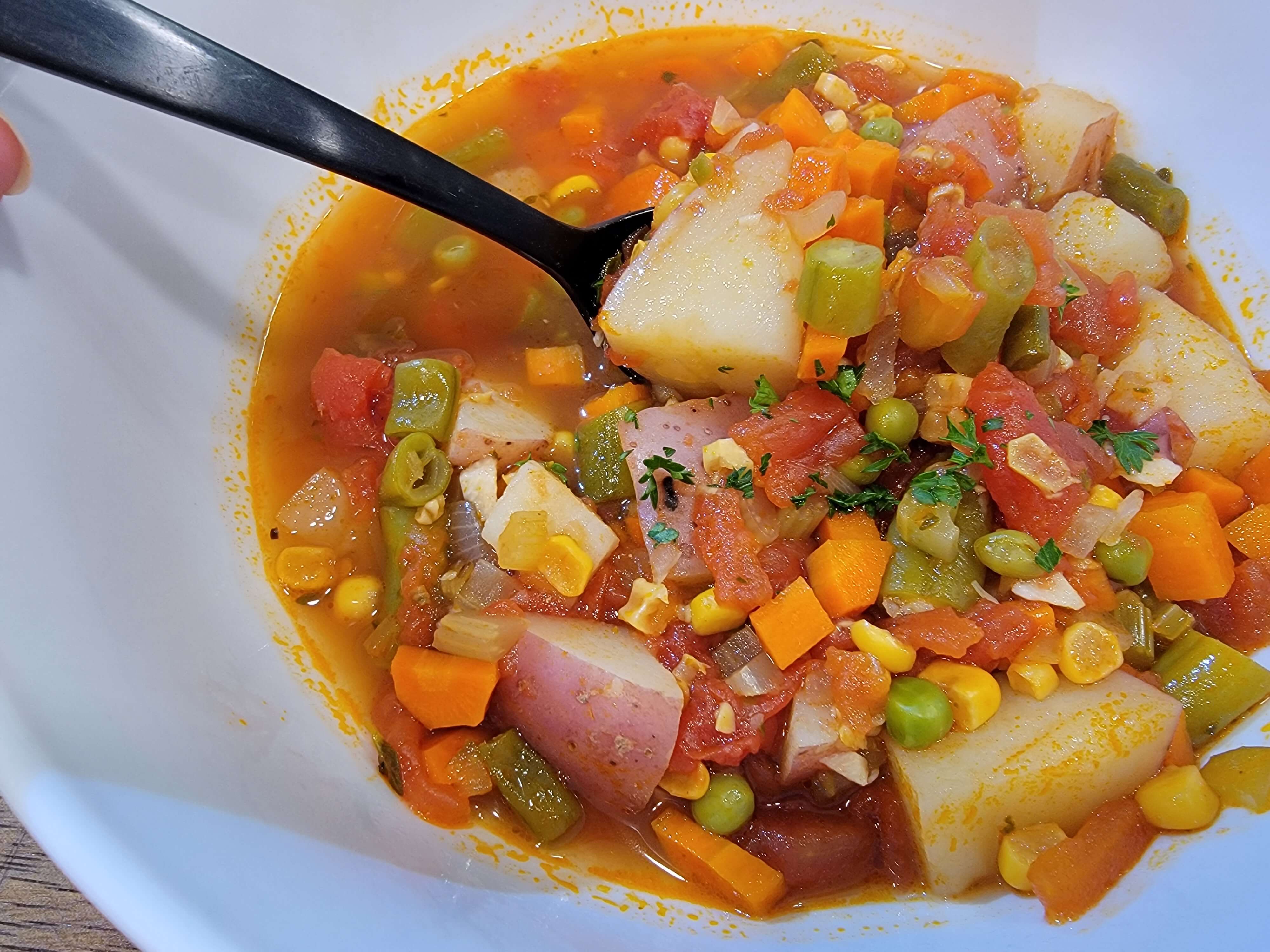
When it comes to freezing well, it will depend on the ingredients in the soup. Broth-based soups, blended soups, and many stews are excellent freezer meals. Soups with lots of pasta, not blended dairy ingredients, or oversized portions can be tricky if you don’t plan ahead.
Here is a list of soups that I have found freeze well:
- Beef and barley stew (go light on the barley)
- Minestrone (with minimal pasta)
- Vegetable soup
- Blended tomato soup with cream
- Butternut squash soup
- Chicken tortilla soup (without tortillas added)
Cutting ingredients like potatoes into smaller pieces also helps maintain their texture after freezing.
Noodles tend to absorb liquid as they freeze, turning soup into something closer to a casserole. For those soups like chicken noodle or other noodle heavy soups, I usually only make enough for one sitting and do not freeze it.

Using the Correct Soup Pot Size
I grew up seeing massive stock pots at my grandma’s house, she had eight kids, so big batches made sense. Our household is much smaller, so I’ve learned to be more intentional and choose a smaller size pot when I am cooking most of our soup recipes. I take out the large stock pot when I am making things like chicken stock, beef stock, or large batches of marinara sauce.
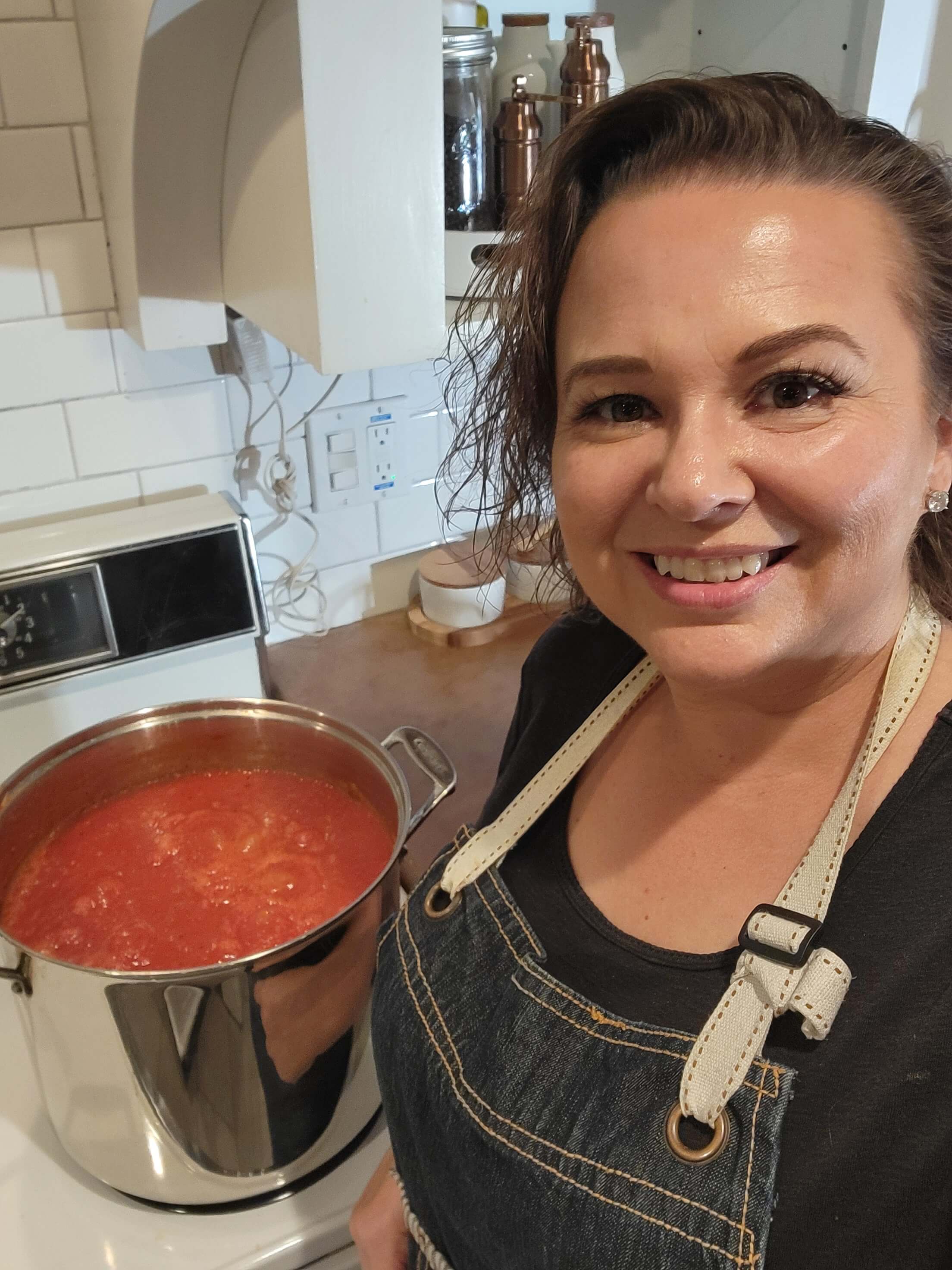
A smaller pot is used for the soup recipes that I make each week. In the winter, we really enjoy eating soups but we do not want to have to eat the same soup all week. I make enough for us to have for dinner and then freeze a few servings. This allows us to have multiple soups in the freezer to rotate through so we aren’t getting tired of the same recipes. It means that we are more likely to actually eat them, which reduces waste. Having batch cooked meals in the freezer and not having to cook every night is important to me.
Making soup in a smaller pot means you enjoy it fresh and still have portions to freeze for later, without feeling overwhelmed by leftovers.
How to Cool Soup Before Freezing
Before freezing soup, it must be cooled completely to refrigerator temperature. Hot soup should never be put directly into the freezer. I find it easiest to allow the soup to cool on the stove first. After it is cool, I move it into containers and refrigerate it overnight. The next day, it can be moved from the fridge to the freezer. This helps prevent cracked jars and texture issues later.
When it comes to containers, I use glass containers or Souper Cubes. Souper Cubes come in a variety of sizes but 1 cup or 2 cup will be best for soup. Once they are frozen, you can put the cubes of soup into gallon size freezer bags in order to keep reusing the Souper Cubes for other items. You can put the blocks of soup directly back into a pot which makes it really easy for reheating without having to wait for anything to defrost.

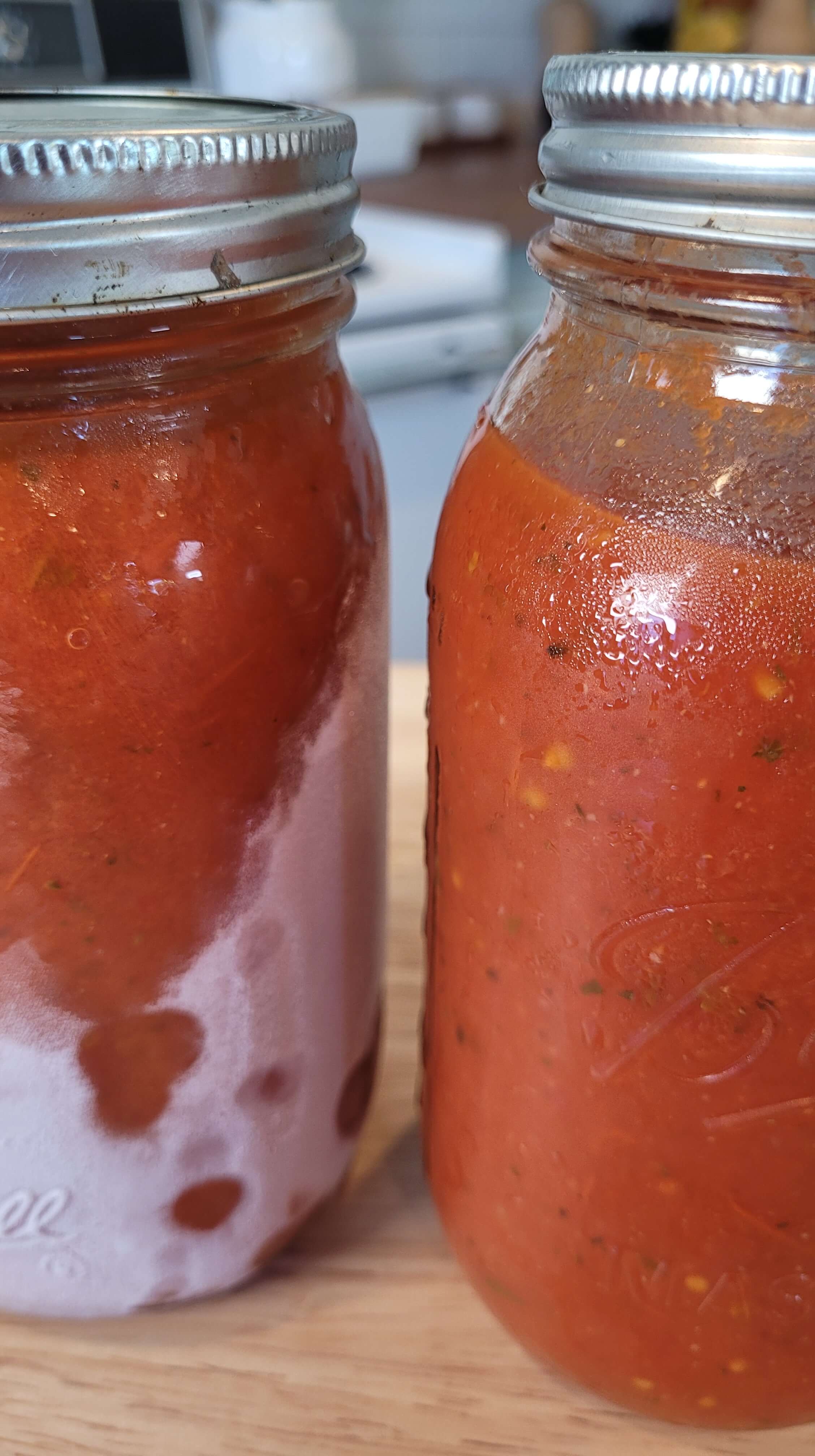
You can also freeze the soup in glass jars. When it comes to sizes I prefer pint jars for individual lunch portions for myself. Pint-and-a-half jars work for slightly larger lunches and quart jars make dinner portions for two people.
A little trick I use is freezing jars at a slight tilt. It helps them defrost faster and allows room for expansion, which helps prevent cracking. If you want more freezer organization tips, check out this video. I also have this video about batch cooking freezer meals once we moved into our new home.
How to Defrost Frozen Soup Safely
There are a few easy options depending on how much time you have when it comes to defrosting soup. The best option is moving it to the fridge overnight and allowing it to thaw there. Another option is putting it in a cool water bath, which will take about an hour. Lastly, if it is frozen in Souper Cubes you can put it straight into the pot without having to defrost it.
Since we work from home, we usually decide what’s for lunch during breakfast and take out a jar to defrost in cool water.
How Long Does Frozen Soup Last
Technically, soup can last up to a year in the freezer, but that doesn’t mean you will want it in the freeze for that long. I prefer to freeze food in seasons so the fall and winter is when I am cooking and freezing soup. I slow down how much soup I am making by January and February so that by spring, the freezer is cleared out and ready for warm-weather foods.
Some of my most-loved soups don’t even have written recipes. Like my grandma, I use what I have on hand. That’s part of how soup helps stretch groceries and reduce waste.
For more tips on reducing waste as well as over 40 recipes, check out my book the Zero Waste Produce Guide. It has step by step directions for washing and storing 75 produce items and recipes to use produce items and reduce waste. It is available on Amazon and in The Cross Legacy Shop.
I hope that you are inspired to make more soup this winter and freeze it. Freezing soup the right way is one of the simplest habits you can build to save money, reduce food waste, and make everyday meals easier.



Leave a Comment