
If you’ve ever picked up a package of store-bought corned beef at the grocery store and flipped it over to read the ingredient list, you may have quickly placed it back on the shelf. While corned beef is especially popular around St. Patrick’s Day, many conventional versions are made with curing salts (like sodium nitrite), preservatives, artificial flavorings, and additives that don’t always align with a real food lifestyle. If you’re trying to avoid processed meat, reduce sodium, or eliminate unnecessary ingredients, those labels can be discouraging.
Whether you’re preparing a traditional St. Patrick’s Day meal or simply looking for a clean-eating corned beef recipe your family can enjoy year-round, this simple oven method delivers delicious results without the extra additives.

What is Corned Beef?
Corned beef starts with just a simple beef brisket. You can buy this at any grocery store. This homemade corned beef recipe skips curing salt entirely and relies on a natural brining method and a flavorful homemade spice blend to create that classic taste.
Creating a Brine
In order to create the brine, you will start by dissolving the salt and sugar in warm water. Once they are fully dissolved you can add the rest of the water, up to 2 quarts. Then you will add the remaining seasonings to the brine that will flavor the meat.
If you want to have the pink color, you need to use a curing salt. Since we are avoiding that in this recipe, you also could slice a beet and add it to the water in the brine. It will release the bright red color which will transfer to the meat. This is an easier way to have that bright color.
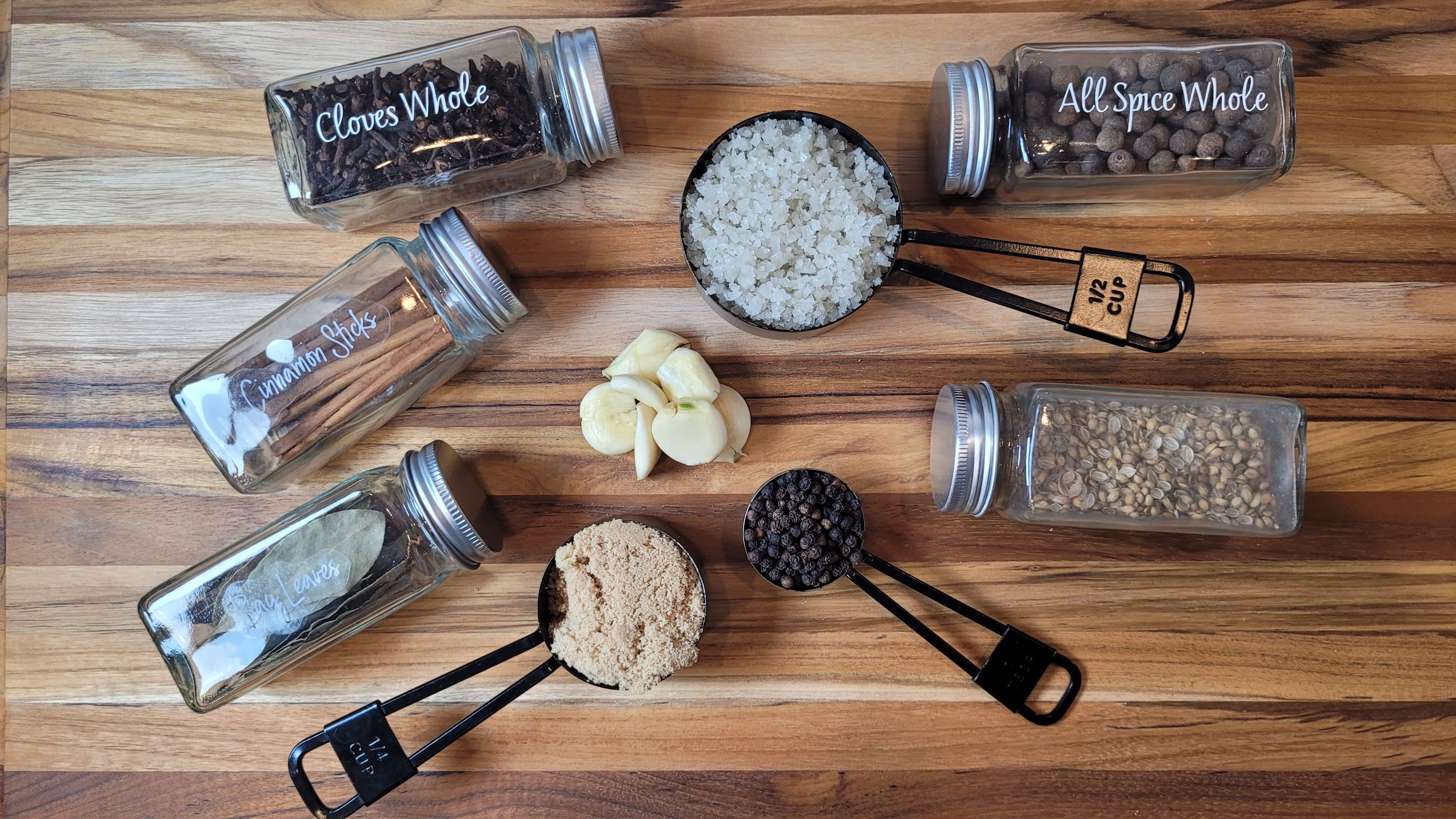
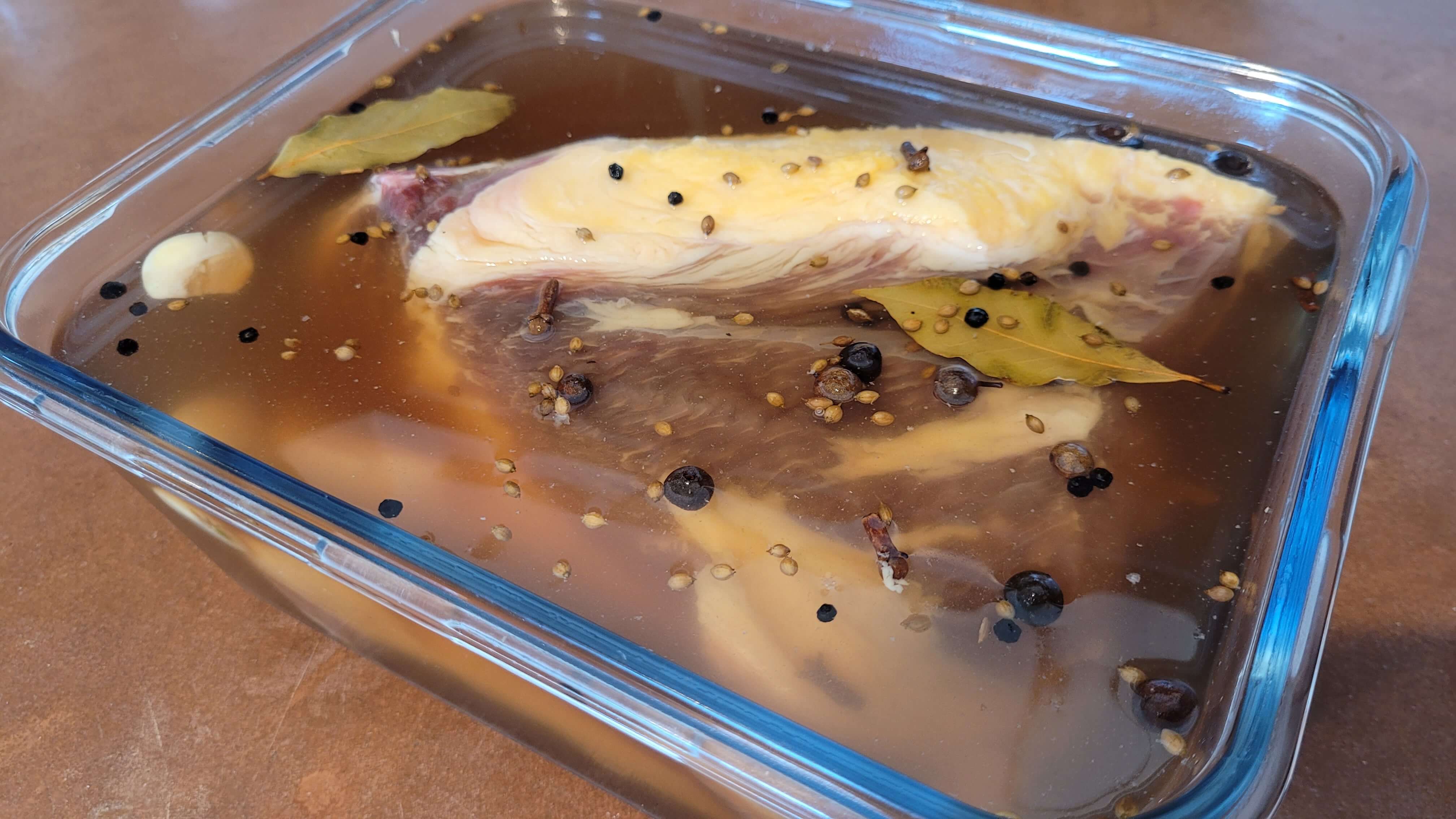
Once all of the ingredients are in the brine, allow it to completely cool. Place your brisket in a large glass container and then completely cover it with the brine. It can stay in the fridge for 1-7 days. Once you are ready to cook it, dump out the brine and put fresh water in the container. Allow the brisket to sit in the clean water for 30 minutes to reduce the saltiness. Pat it dry and then either bake it for a traditional corned beef or add the seasoning rub from the recipe below.
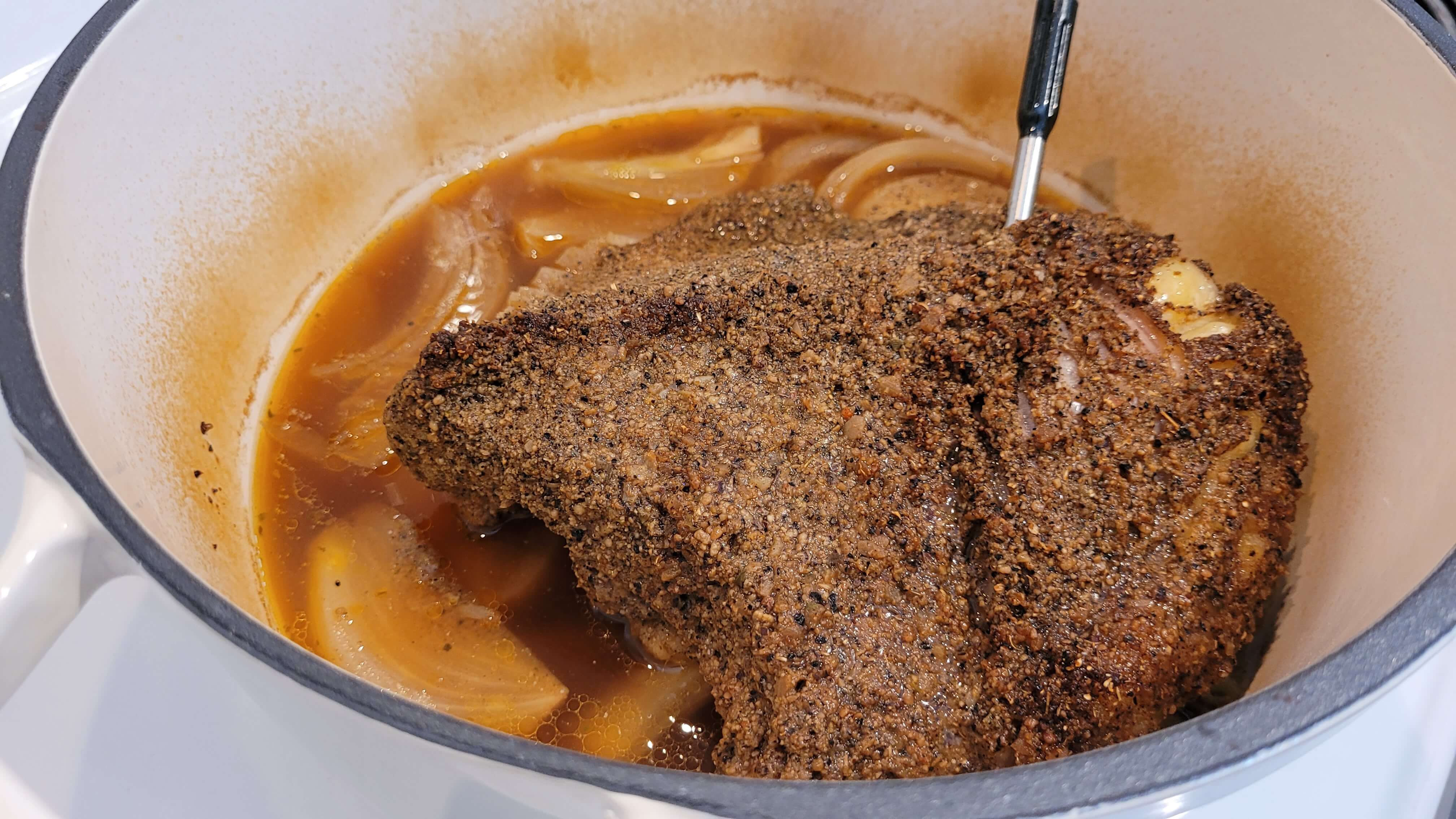
When cooking your corned beef, remember to use the ‘low and slow’ method. Cooking it at a lower temperature for a longer period of time results in a more tender finished product. I use this bluetooth thermometer to track the temperature and know when it’s ready to eat.
Storing Spices
One of the easiest ways to make homemade corned beef healthier is to season if yourself. It is more budget-friendly is to buy spices in bulk and store them properly. Purchasing whole spices like mustard seeds, coriander, black peppercorns, bay leaves, and allspice in bulk saves money. It also ensures you always have high-quality ingredients on hand for your own seasoning blends. If they are larder seeds that I need to grind, I use my Magic Bullet Blender. I store my bulk spices in glass jars in the pantry to keep them fresh. I refill regular-sized glass jars that fit neatly in a dedicated kitchen spice drawer for everyday cooking when they get low. When you keep a well-stocked spice collection, it’s simple to create homemade spice blends without additives, preservatives, artificial flavors, or excess sodium. Having these spices ready makes it easy to season homemade corned beef naturally while building rich, authentic flavor from real ingredients.
Buying Beef in Bulk
We buy our meat in bulk in order to save money on groceries and that includes the piece of meat that I am using in this recipe. We save money from our $135/person grocery budget each month to go towards this meat purchase. You can learn more about how we save for the meat purchase in this video. I also show how much space you need in the freezer for the meat in this video.
This recipe is a good way to use those brisket cuts that are included when you make a bulk meat purchase.
Don’t Skip The Sauerkraut
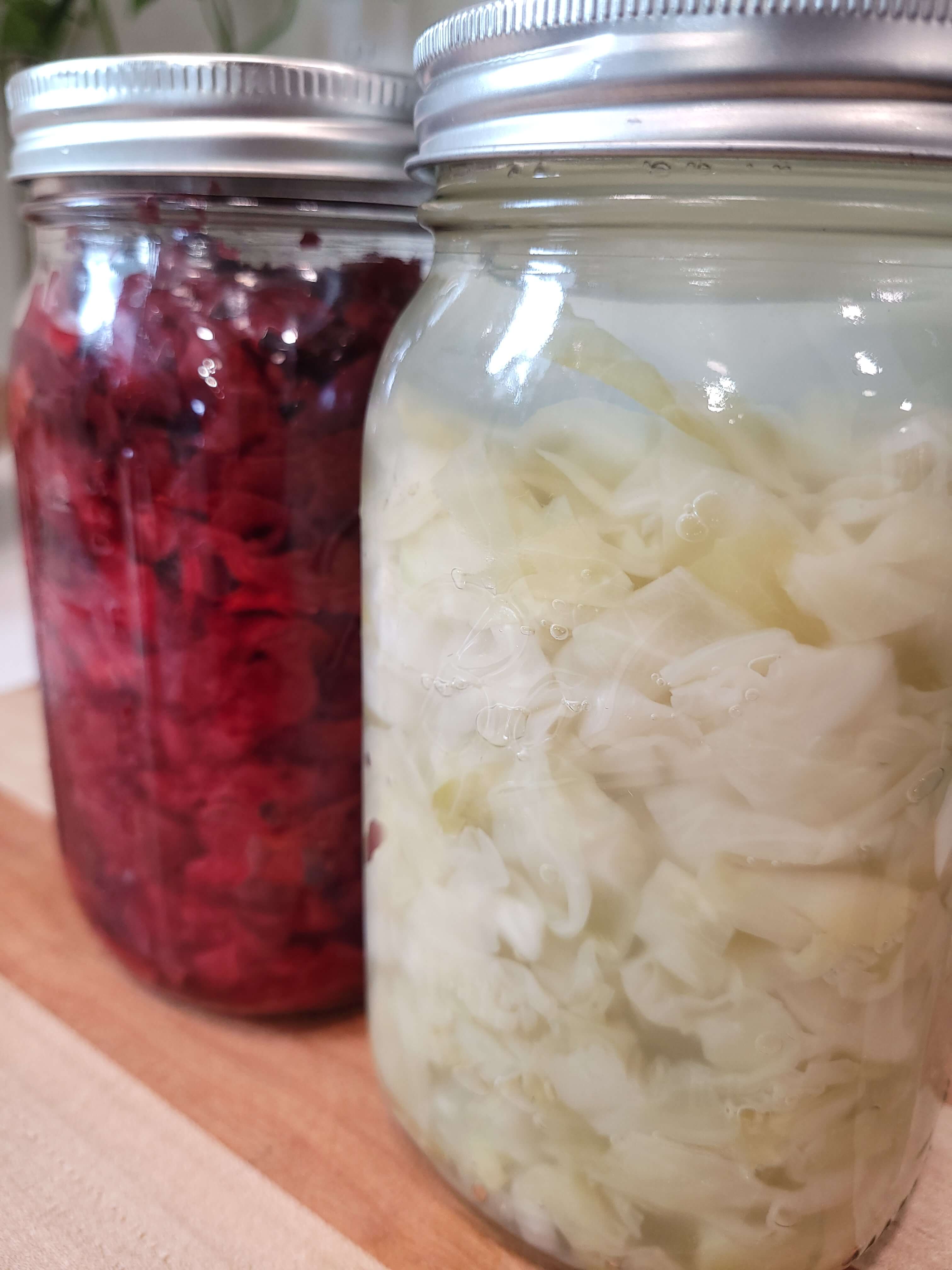
Corned beef pairs perfectly with traditional sauerkraut, adding a tangy, probiotic-rich balance to the rich, savory flavor of the meat. Not only does sauerkraut complement homemade corned beef beautifully, but it also adds beneficial gut-healthy bacteria when it’s naturally fermented. If you’d like to make your own, be sure to check out my homemade sauerkraut recipe linked here.
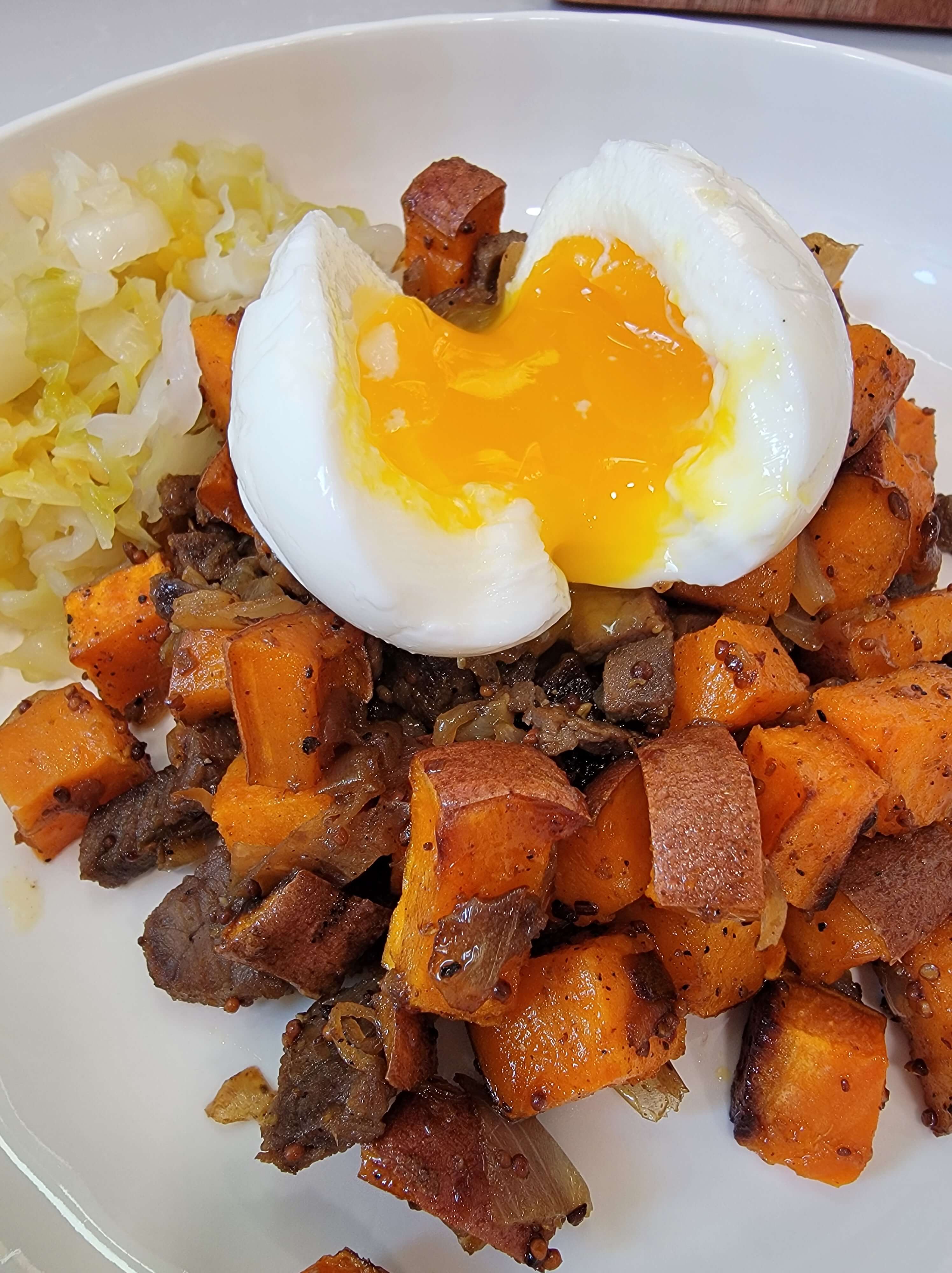
One of my favorite ways to enjoy corned beef is with a sweet potato hash, soft boiled egg and sauerkraut. Corned beef isn't just for dinner, it makes a delicious breakfast as well.
If you want to see the entire process of me making Corned Beef, you can see it from start to finish in this video.

The BEST Healthy Corned Beef Recipe

Ingredients
Brine
- 3 quarts water
- ¾ cup sea salt
- ½ cup brown sugar
- 1 beet, medium peeled and slices for color (optional)
- 1 teaspoon black peppercorns
- 1 T mustard seeds
- 1 T coriander seeds
- 1 teaspoon red pepper flakes
- 5 cloves garlic smashed
- 3 bay leaves
Rub
- 1 teaspoon cracked black pepper
- 1 T ground coriander
- 2 teaspoon mustard seeds
- 1 teaspoon garlic powder
- 1 teaspoon onion powder
- ½ teaspoon paprika
- ½ teaspoon crushed red pepper flakes (optional)
- 1-2 bay leaves crushed
Cooking
- 2 cups beef broth
Instructions
Brine
- Place brisket in a large glass container, food-safe bucket, or zip bag.
- Pour cooled brine over the meat, making sure it is fully submerged.
- Refrigerate 5–7 days, turning once daily for even curing.
- When ready to cook, remove brisket and rinse well under cold water.
Rub
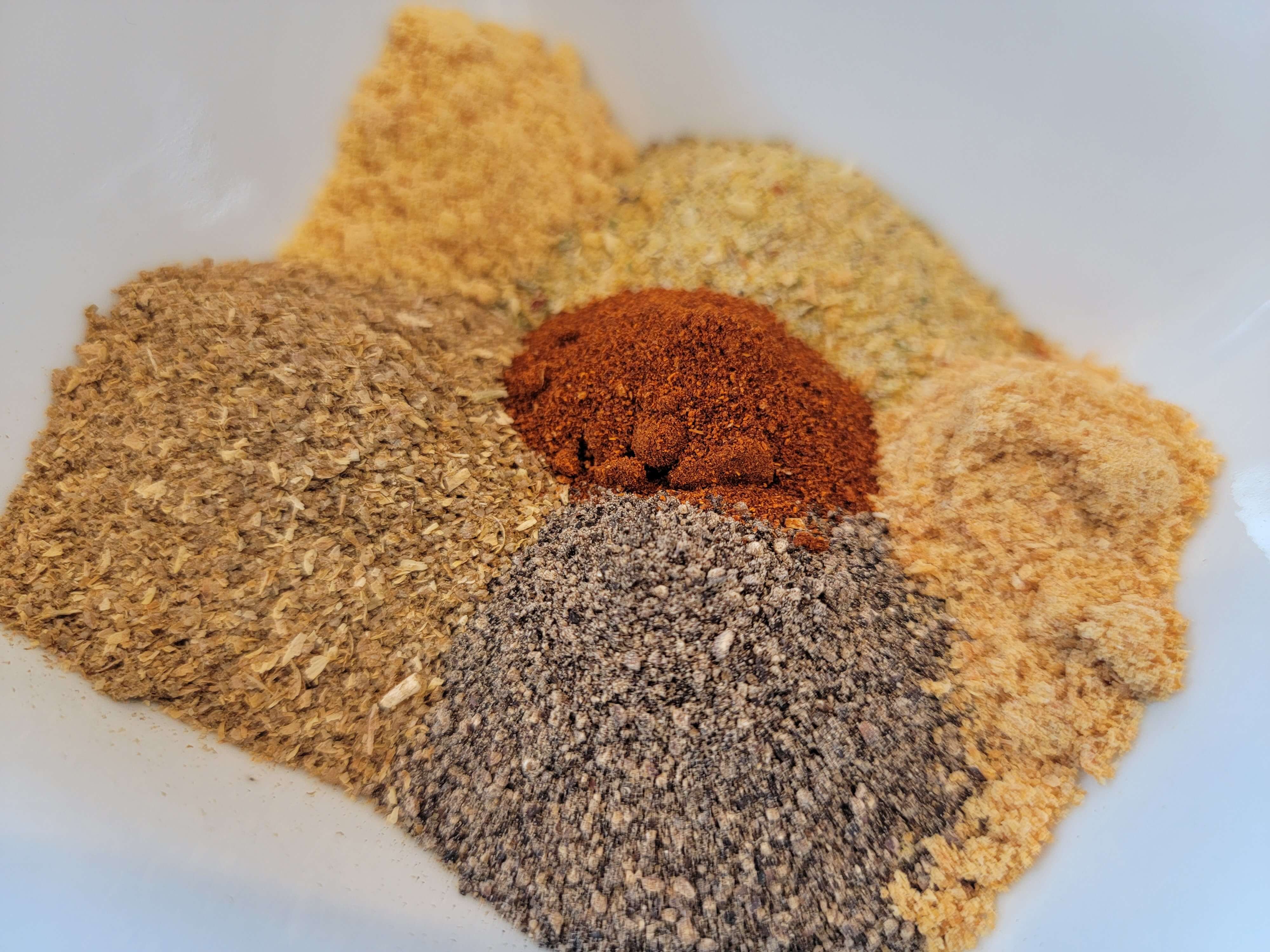
- Pat the rinsed brisket dry and coat evenly with the spice mixture before cooking.
- Cooking
- Preheat oven to 300°F.
- Place brisket in a Dutch oven, fat side up.
- Add 2 cups water or beef broth
- Cover with lid
- Cook 3–4 hours, until fork-tender (about 195–205°F internal).
- Rest 10–15 minutes before slicing against the grain.


Leave a Comment